
How to Master Public Speaking
July 3, 2026
PUBLIC SPEAKING TECHNIQUES THAT WORK
July 5, 2026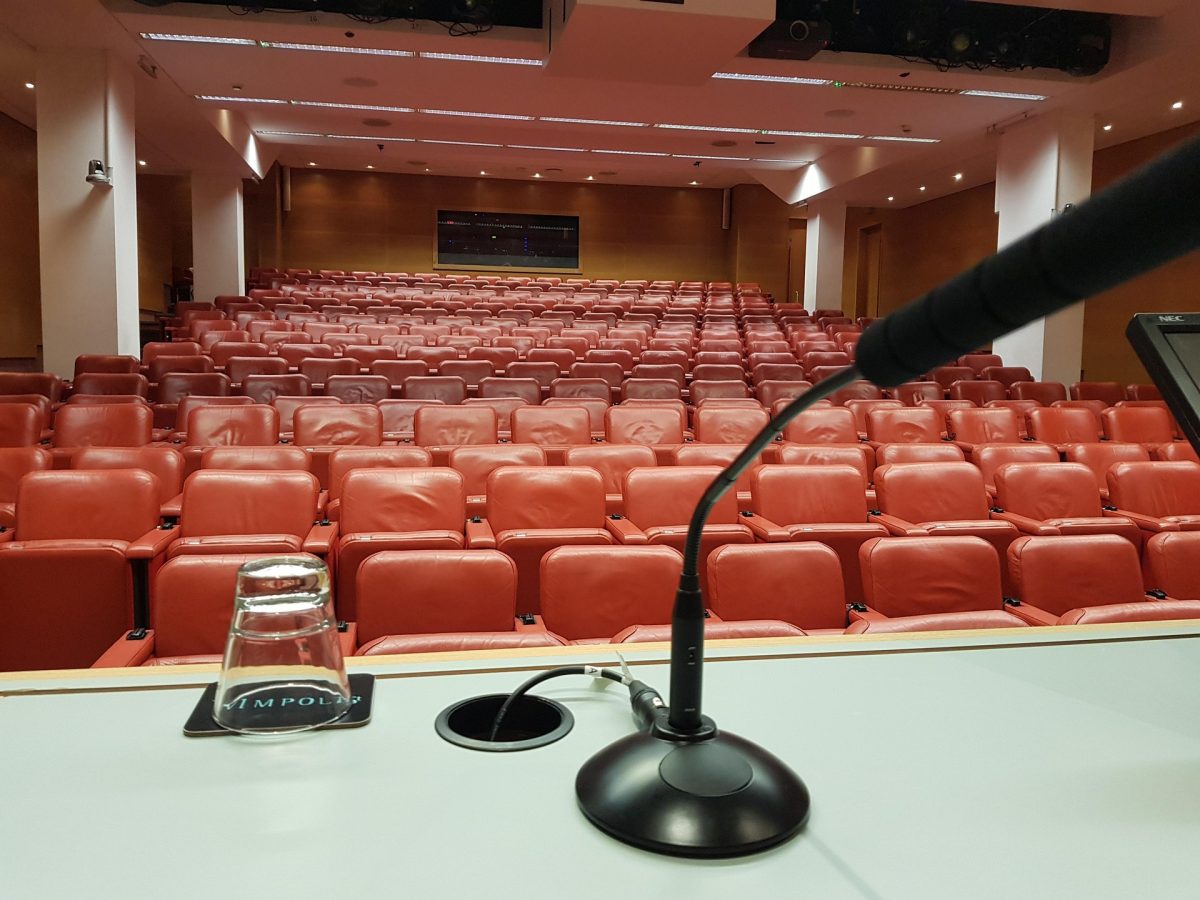
It is said that people wear different masks for different occasions. We change our mannerisms in different environments. When speaking in public, there are several factors to consider in order to plan an effective presentation.
The first element of public speaking is the person delivering the presentation. The speaker should carefully consider how they want to be perceived by the audience. One of the advantages of public speaking is that you can develop a persona that best suits your presentation.
The second element is the message. It is important to consider the information you are presenting. The content is of immense value in any oral presentation. Well-organized subject matter is an essential part of a successful speech.
The third element is the method. Where will the speech be delivered? What prompts or notes will be used? Will there be visual or audio aids? Will the presentation take place in a formal setting, such as a conference room, or in a more casual environment?
The fourth element is the audience. Understanding your audience helps you determine the appropriate tone, language, examples, and level of detail needed to communicate your message effectively.
The final element is the purpose of the presentation. Is it designed to inform, entertain, motivate, or persuade the audience? Having a clear purpose allows the speaker to deliver a more focused and effective presentation.
The art and science of public speaking are deeply rooted in civilizations across the globe. The spoken word has been of great value for centuries and has played an essential role in the advancement of humanity.
Before writing became a common method of communication, oral presentations were of the utmost importance. Many valuable works were committed to memory and recited repeatedly for audiences to enjoy and learn from.
Poetry evolved as an effective method of memorization. Storytellers and speakers often used rhyme to make their words easier to remember. This literary technique has endured throughout history and remains an important art form today.
The spoken word has influenced civilizations throughout history. Public speeches, debates, and discussions have shaped religion, politics, education, and entertainment.
Public Speaking Today
Today, public speaking remains a powerful force in many aspects of our daily lives. Oral presentations continue to inform, influence, and entertain us. We rely on spoken communication in our relationships, workplaces, and communities, as well as when connecting with people around the world.
Advances in technology have transformed communication on a global scale. Information that once took days, months, or even years to spread can now reach millions of people within seconds.
Modern communication tools, such as videoconferencing, allow speakers to present to hundreds or even thousands of people without being physically present before their audience. Technology has made it possible to communicate with large audiences with little or no face-to-face interaction.
However, something can be lost in the process. A live audience provides valuable feedback through facial expressions, body language, and reactions. Without these cues, some speakers may find it more difficult to connect with their audience, while others may feel more comfortable speaking to a camera than to a live audience.
Your presentation may be delivered entirely through technology, leaving you speaking to nothing more than a camera lens. On other occasions, you may be giving a presentation to a small group of colleagues in a meeting room.
Some presentations are designed to educate the audience. For example, you may be responsible for delivering an informative speech about workplace safety. Others may require you to persuade people to support a particular idea or proposal.
Other speaking opportunities are more personal. You may be asked to give an unforgettable speech at your best friend’s wedding, or you may simply want to improve your communication skills to express your thoughts more effectively in everyday conversations.
Fears and Phobias
Although the thought of speaking in front of an audience can be overwhelming, it is important to distinguish between fear and phobia. You may discover that you are experiencing more than ordinary nervousness. If you suffer from a phobia, additional support or professional guidance may be beneficial.
Fear is such a powerful emotion that it can sometimes be difficult to determine whether you have a simple fear or a genuine phobia. Understanding the similarities and differences between the two can help you reach a clearer conclusion. If necessary, you may also wish to consult a qualified professional.
Fear
Fear is a fundamental emotion that serves an important purpose. It is designed to protect us and ensure our survival. Without fear, people might engage in dangerous activities without recognizing the risks.
Despite being a natural survival mechanism, fear is a complex emotion with many causes. It is partly hardwired into our brains to help keep us safe, although the intensity of fear varies from person to person.
Fear also produces noticeable physical reactions. The autonomic nervous system becomes activated, releasing adrenaline throughout the body. As a result, many people experience trembling, muscle tension, rapid breathing, an increased heart rate, sweating, or a dry mouth.
Blood is redirected away from certain areas of the brain toward the muscles to prepare the body for action. This can cause dizziness or even fainting during intense episodes of fear. This reaction is commonly known as the “fight-or-flight” response.
Fear can also be learned. Although scientists continue to debate how much fear is inherited and how much is shaped by experience, environmental influences often play a significant role in developing our fears.
Phobia
A phobia is an excessive and irrational fear of a specific object, activity, or situation. Unlike ordinary fear, a phobia causes an intense emotional response that is disproportionate to the actual danger. Phobias are relatively common and, in some cases, are classified as anxiety disorders.
For a phobia to be considered a psychological disorder, it must significantly interfere with a person’s daily life. For example, being afraid of heights may not be considered a disorder. However, if that fear prevents someone from climbing ordinary stairs or entering multi-story buildings, it can become disabling.